
Rear-End Collisions in Nevada: Legal Complexities and Compensation
Being involved in a rear-end collision can turn your life upside down in seconds. You may be left with a damaged car, physical pain, and a list of questions about what to do next. In Nevada, rear-end accidents are among the most common types of crashes, and understanding your legal rights is the first step toward moving forward.
Rear-End Collisions
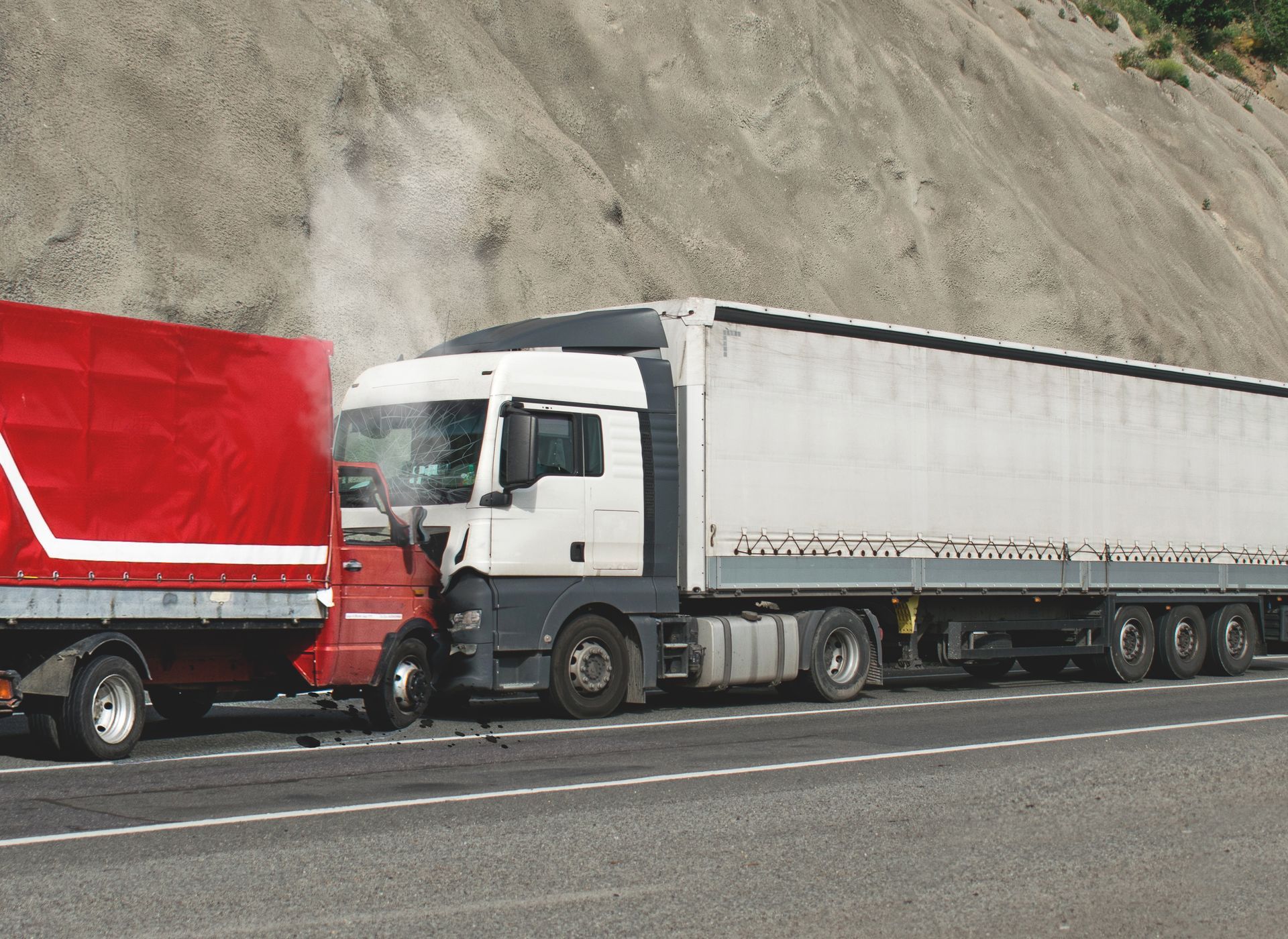
Rear-end collisions happen when one vehicle strikes the back of another. In Nevada, these accidents account for a significant share of roadway incidents. Rear-end crashes account for nearly 30% of all reported accidents.
Fault Determination
Nevada is an at-fault state, so determining who caused the accident matters. Usually, the driver in the back is considered responsible. This is because the law expects drivers to leave enough space to stop safely.
However, there are exceptions. Sometimes, the front driver may share blame if they stopped suddenly without reason or had broken brake lights. Police reports, witness statements, and traffic camera footage all help decide fault. Insurance companies will look at every detail before making a decision.
Insurance Involvement
After a rear-end collision, insurance companies play a big role. In Nevada, you must carry liability insurance to cover injuries and property damage. After the accident, you will need to report the crash to your insurer and possibly the police, depending on the damage.
Insurance adjusters will investigate and may try to settle quickly. Always remember that their first offer may not cover all your needs. You have the right to review any settlement and ask questions before agreeing.
Compensation Obstacles
Getting fair compensation is not always easy. Insurance companies often look for ways to lower payouts. They may argue that your injuries are not serious or that you shared some blame. Sometimes, medical bills and car repairs are higher than expected.
Nevada uses a modified comparative negligence rule. This means if you are found partly at fault, your compensation can be reduced by your percentage of fault (NRS 41.141). If you are more than 50% at fault, you may not recover any damages. This rule makes it even more important to have clear evidence and strong support.
Legal Complexities
Rear-end collisions may seem simple, but the legal process can get complicated. Proving fault is not always straightforward. Medical records, accident reports, and expert opinions may all come into play. Sometimes, insurance companies dispute the severity of injuries or the cause of the crash.
Navigating these details can feel overwhelming, especially when you are trying to recover. That is why having a knowledgeable legal team matters. They can handle paperwork, communicate with insurers, and build a strong case for you.
Life After a Rear-End Collision
The days and weeks after a rear-end accident can be stressful. You may face pain, missed work, and uncertainty about the future. Taking the right steps now can help you heal and protect your rights. Document everything, seek medical care, and avoid discussing the accident on social media. If you have questions, reaching out for help is a smart move. The right support can make a big difference in your recovery and your claim.
A Path Forward
You do not have to face the aftermath of a rear-end collision alone. At Ahlander Injury Law, we help Nevadans like you understand their rights and pursue fair compensation. Our team listens, answers your questions, and stands by you every step of the way. If you are unsure about your next move, we are here to help.
If you or a loved one has been involved in a rear-end collision, contact Ahlander Injury Law today. Let us answer your questions and help you move forward with confidence.